


Computational Mathematics (WS 26/27)
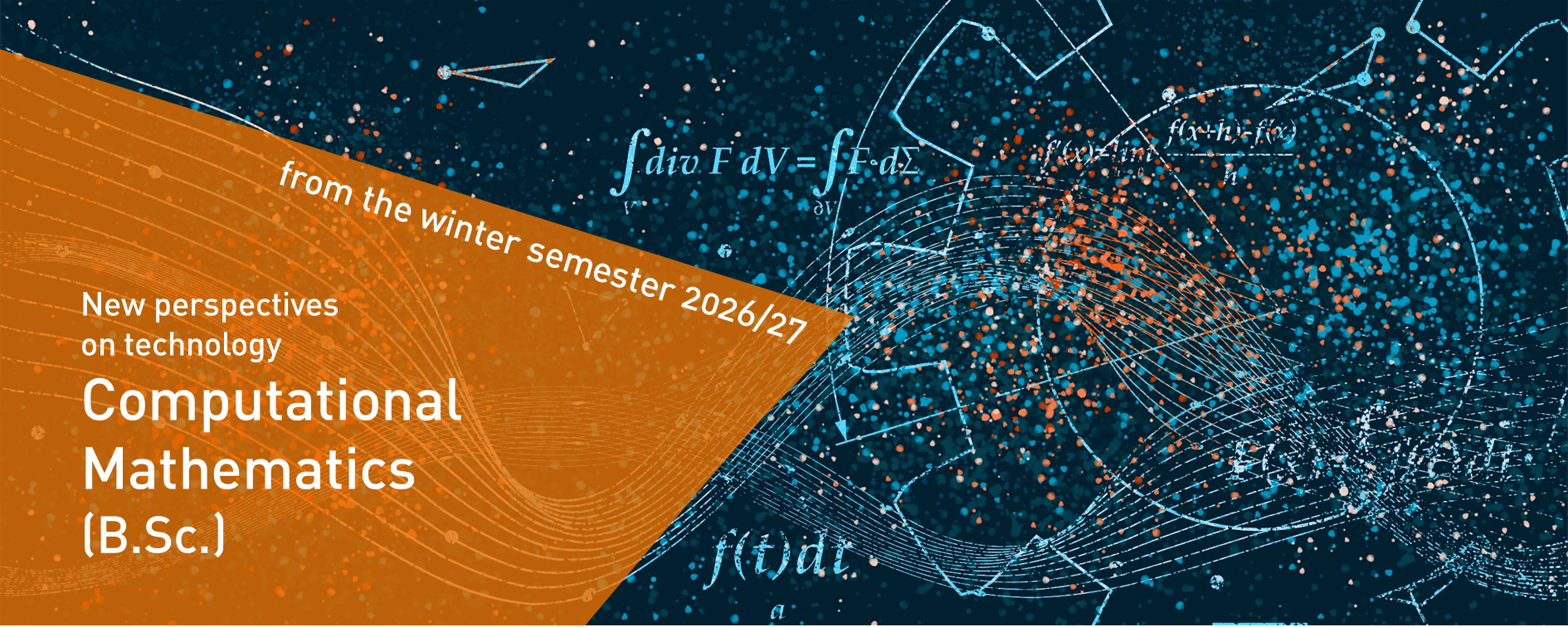
Computational Mathematics is the future of applied mathematics.
In this degree program, you will learn to solve complex mathematical problems with the help of modern computer technologies. You will combine abstract thinking with practice-oriented applications - from AI to financial markets and climate modeling.
Degree | Bachelor of Science (B.Sc.) |
Standard duration of study | 6 semesters |
Start | for the first time in the winter semester 2026/27 |
Application deadline | on September 1 (more about the application process at h-da.de) |
Admission | No admission restrictions, NC-free degree course. Admission requirements include general higher education entrance qualification, subject-specific higher education entrance qualification, entrance qualification for universities of applied sciences. Information on vocational qualifications can be found under Study without Abi |
Language | German |
| Location | Darmstadt University of Applied Sciences, Schöfferstraße 3, Darmstadt |
dual | also dual study possible |
- Interdisciplinary & up-to-date:
Combination of mathematics, technology & modeling - Concrete career preparation:
Case studies, practical phase & company cooperation - Future-proof:
Ideal for data-driven professions that will continue to be in high demand in the future - Flexible:
Individual focus and easy transfer to the Analytics in Business and Financial Markets and Data Science and Artificial Intelligence degree programs up to the third semester - Several options for a Master's degree at the department
There is a demand for graduates of the Bachelor's degree program in Computational Mathematics in areas such as
- in mechanical and automotive engineering
- in the construction industry
- in the electrical industry
- in the aerospace industry
- in telecommunications
- in management consultancies
- in software and logistics companies
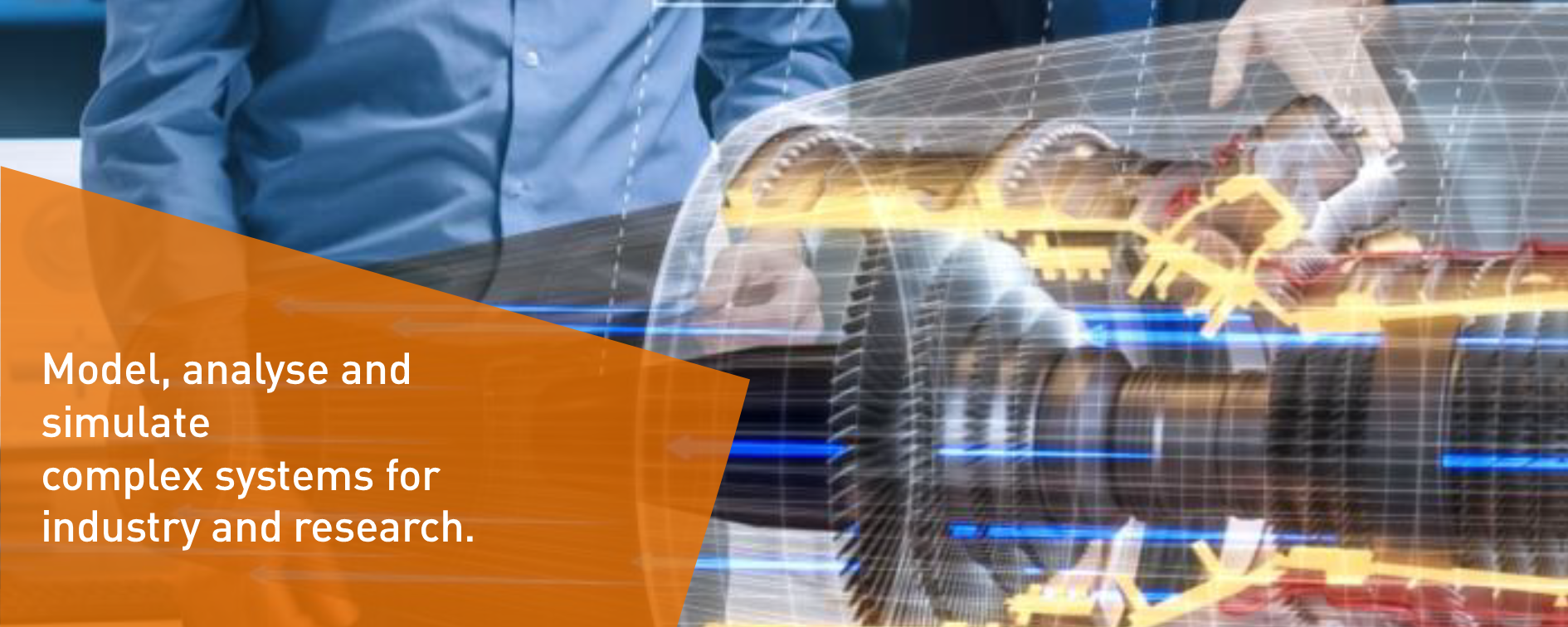
The practical content qualifies you for a wide range of tasks in technology and science and opens up prospects in industry and research. This degree course also lays the foundation for consecutive Master's degree courses.
Graduates of Computational Mathematics are highly sought-after and work at the interface of mathematics, technology and innovation. The typical professional fields are
- Engineering and technical simulation
- software development
- Research and development (industry or academia)
- Data science and artificial intelligence
- Finance and insurance
Explanations:
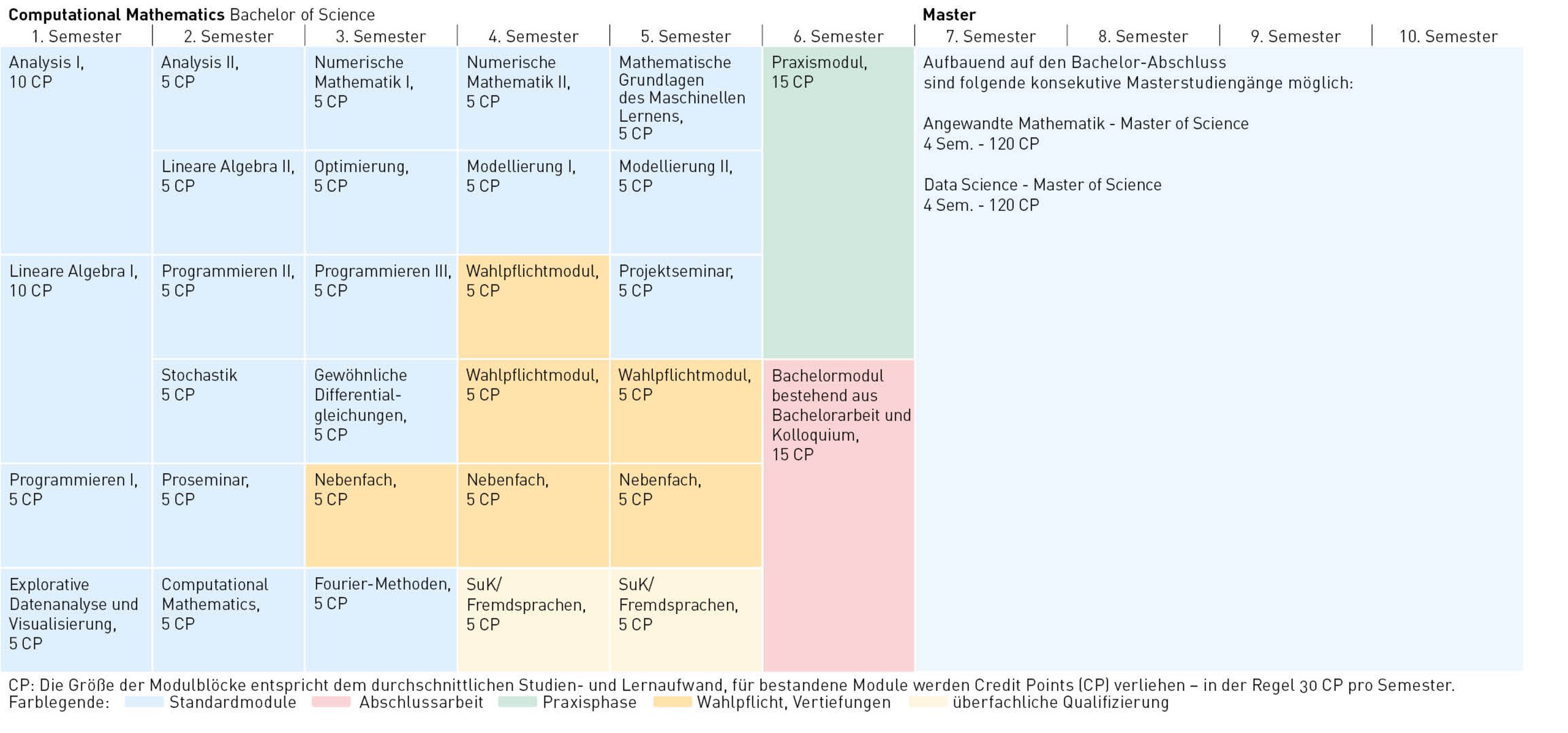
CP are credit points according to the European ECTS (European Credit Transfer and Accumulation System). 1 CP corresponds to 30 hours of work.
Click on the graphic to enlarge.
- Link to the module manual (PDF - 509 kB) - in German only
- Link to BBPO - examination regulations (PDF - 396 kB) - in German only
- Link to the program brochure (PDF - 157 kB) - in German only
Once you have started your studies, these are probably the most important pages:
The link my.h-da (is also stored under Quicklinks) takes you to the university information system for students. Here you can
- print out all the certificates you need yourself (study certificates, Bafög certificate and the receipt for the fees you have paid).
- view information about your exams and grades
- register for or deregister from exams.
- register for courses.
- view your course schedule and the course catalog.
- compile your individual timetable.
At www.h-da.de/tutorials you will find brief instructions for registering for exams, viewing grades, and much more.
Semester dates: Here you can find the dates for exams and events for all courses of study. This page can also be accessed directly via quicklinks.
Timetables: This page contains the links to the PDFs with the current timetables for all degree programs.
Practical relevance and our cooperation networks as a booster for your career start.
- Practical relevance: close cooperation with companies and research institutes
- Projects and internships in areas such as image processing, communication networks and risk modeling
- (Dual) cooperation with companies
- Practical semesters and/or final theses in companies
- Guest lectures, excursions, company visits
More about our cooperation partners
In the standard study program, the 5th semester was designated as a potential semester abroad (window of mobility).
- Darmstadt University of Applied Sciences (h_da) is one of 9 European universities of the European University of Technology (EUT+). As this university network grows together, there are more and more opportunities for uncomplicated exchanges.
- In addition, the Erasmus+ program of the European Union encourages students to study in another European country.
- There are over 250 partner universities worldwide at which students can study as part of the h_da Exchange Program from the 3rd semester onwards.
- In preparation, the Language Center offers numerous language courses at different levels.
- The International Office offers more support in preparing for an exchange.
What documents are required?
Applications are submitted via the application process at h_da. Please note that all necessary documents must be submitted with your application. Preparing these takes time. You should therefore start at least four weeks before the application deadline.
Checklist:
- University entrance qualification (degree certificate)
- Curriculum vitae in tabular form
- Proof of health insurance
- Further documents if necessary (e.g. residence permit, language certificates)
Further tips & information:
- You can find help with finding accommodation here.
- The semester fee includes a Deutschlandticket and Call-a-Bike.
We look forward to hearing from you
- Specialist advice at the MN department: Prof. Dr. Thomas März: thomas.maerz@h-da.de
- Central Student Advisory Service of the h_da